
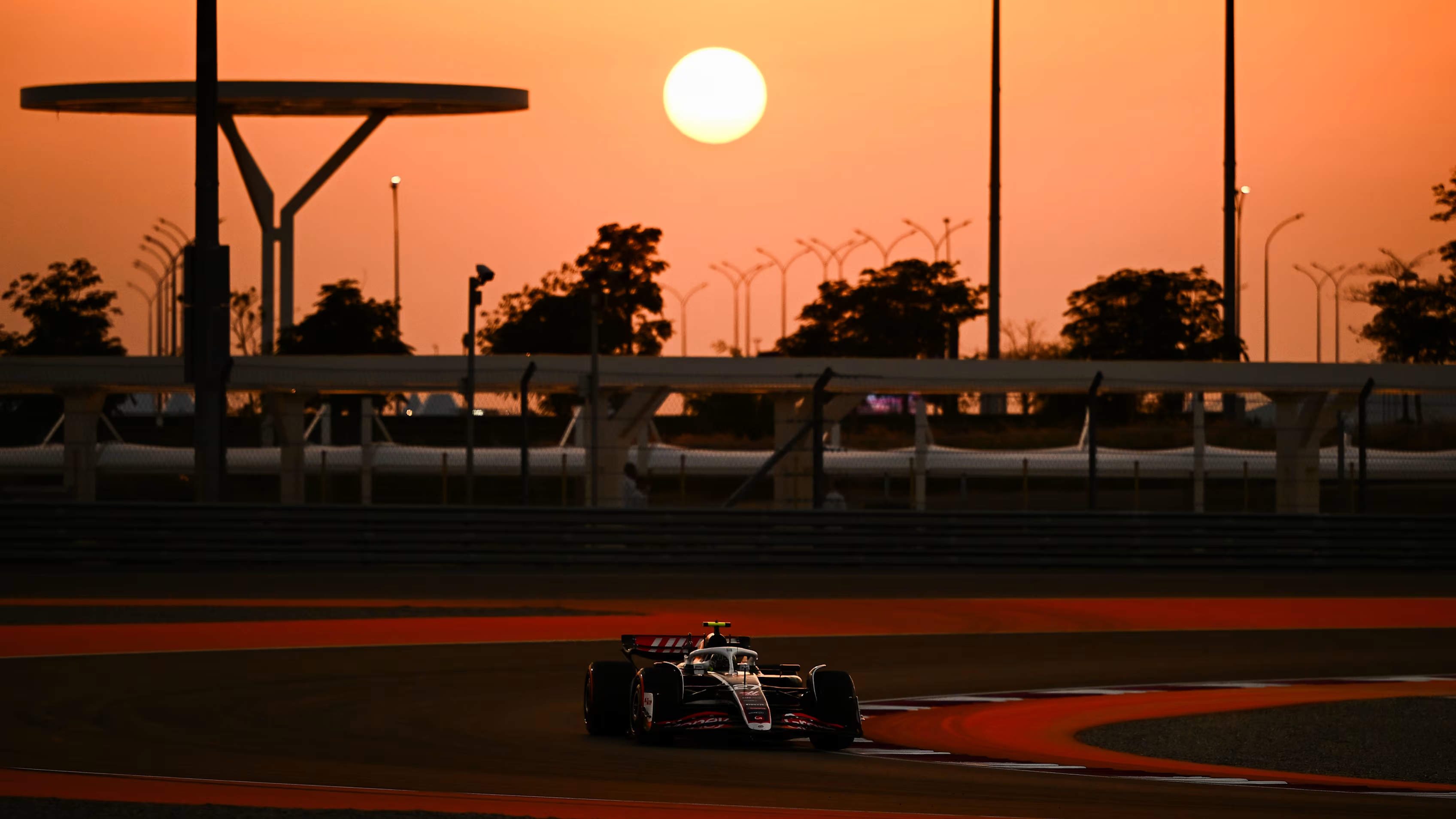
Lusail International Circuit has circulated detailed emergency shelter locations and attack-response instructions covering both MotoGP and Formula 1, raising fresh questions about the security arrangements surrounding the final races of the 2026 F1 season. The document, dated November 4, sets out where drivers, team personnel and other attendees should take shelter in the event of an attack, as well as procedures for evacuation and a possible closure of Qatari airspace.
The instructions were brought to wider attention by respected MotoGP journalist Mat Oxley, who published details of the circuit’s emergency guidance on social media. His post included a seven-point safety protocol explaining how personnel should react if an emergency alert is issued.
Importantly, the arrangements are not limited to this weekend’s MotoGP event. Reporting by Motor Sport Magazine confirms that the emergency shelter plan also covers Formula 1’s visit to Lusail from November 27–29.
The development comes as motorsport continues to navigate an increasingly complicated security situation in the Middle East, with the Qatar and Abu Dhabi Grands Prix still scheduled to conclude the Formula 1 championship.
Lusail prepares emergency shelters for thousands of people
According to Motor Sport Magazine, which has seen the emergency document, Lusail’s security operations committee activated an internal shelter plan dated November 4.
The arrangements identify several buildings and facilities that could provide protection for competitors, team members, officials and guests in the event of an emergency.
The capacity figures are particularly striking. A tunnel beneath the circuit is estimated to accommodate approximately 3,500 people, while the pit building could provide shelter for another 8,100.
Additional capacity is available through team hospitality facilities, commentary booths and other buildings around the venue.
The reported arrangements include:
- Tunnel beneath the circuit: approximately 3,500 people.
- Pit building: approximately 8,100 people.
- Team hospitality units: approximately 3,424 people.
- Commentary booths: approximately 900 people.
- VVIP building: approximately 5,210 people.
- Five toilet and shower blocks: approximately 60 people each.
These figures demonstrate the scale of the contingency planning being undertaken at the venue.
The document also addresses a range of potential emergencies, including fire, explosions, structural failures, crowd incidents, severe weather and an active attack.
It does not identify a specific imminent threat. Rather, it establishes procedures should an emergency arise during either championship’s visit.
Mat Oxley reveals seven-point emergency safety instructions
Oxley’s social media post highlighted the practical instructions being distributed to those attending the Qatar event.
The guidance tells anyone receiving an emergency alert to remain calm and immediately seek cover rather than stopping to investigate or film what is happening.
At hotels, personnel are instructed to use staircases to reach designated safe areas rather than elevators. If there is insufficient time to reach the designated location, they are advised to move to an internal area away from windows.
At the circuit, the instructions are equally specific. Team members should head towards their previously agreed solid building, avoiding temporary tents, exposed paddock areas and glass-fronted structures.
Anyone caught outside should enter the nearest available building. If that is not possible, they are instructed to get low to the ground and protect their heads.
Similar procedures apply to those travelling in vehicles, who are told to pull over and seek shelter in the nearest building.
The instructions also specify that personnel must remain under cover for at least 10 minutes, or until an official all-clear message arrives, whichever is later.
After an incident, nobody should touch or photograph debris. Instead, it must be reported to the local emergency services, with employees also expected to check in with their respective teams so everyone can be accounted for.
Evacuation arrangements extend beyond the circuit
The emergency preparations are not restricted to what happens if an attack takes place at the track.
Motor Sport Magazine reports that the document also contains contingency procedures should personnel need to leave Qatar or if the country’s airspace is closed and flights are grounded.
Teams and companies are advised to establish meeting points at their hotels and the circuit, ensuring that travelling personnel can be accounted for quickly.
If flights remain operational, employees should follow their existing travel arrangements. However, should airspace close, the guidance is to remain together and await instructions rather than attempting to leave independently by road.
The championship is expected to coordinate any necessary departure arrangements with the relevant Qatari authorities.
The document also outlines the responsibilities of the various security organisations involved, including Lusail’s security personnel, police, Civil Defence and other relevant authorities.
These arrangements address one of the concerns previously raised by MotoGP personnel: what would happen if the situation deteriorated while international teams and competitors were already in the country.
Yamaha withdrawal adds pressure ahead of Formula 1’s arrival
The emergency arrangements have emerged against the backdrop of growing unease within MotoGP.
The Qatar Grand Prix, originally scheduled for April, was postponed until November because of the conflict involving Iran. Despite assurances from Qatari authorities, the circuit and independent security assessments, Yamaha subsequently confirmed that it would not participate, citing company-wide travel restrictions.
Its factory operation and Pramac satellite team are both absent from this weekend’s event.
MotoGP management has maintained that the race can proceed safely, while confirming that it will continue monitoring developments and reassessing the situation if necessary.
The concerns are particularly relevant to Formula 1 because the championship is due to visit the same venue just three weeks later.
Formula 1 has maintained its intention to travel to Qatar and then Abu Dhabi, although the wider security situation remains under observation. Williams driver Carlos Sainz has previously expressed reservations about how confidently the races can be regarded as safe so far in advance.
Formula 1 faces another security question before season finale
The publication of Lusail’s emergency arrangements adds a new dimension to the debate surrounding Formula 1’s Middle Eastern calendar.
The existence of an emergency shelter plan should not be interpreted as evidence that an attack is expected. Large international events require contingency arrangements, particularly when thousands of people are concentrated at a single venue.
Nevertheless, the level of detail in the document, including designated shelter capacities, instructions for a possible attack and procedures for leaving the country if airspace closes, illustrates the seriousness with which the circuit is approaching potential risks.
Formula 1 must now prepare for its November 27–29 visit while the organisers continue to monitor developments.
The subsequent Abu Dhabi Grand Prix is scheduled for December 6, meaning the championship’s final two rounds remain dependent on the same broader regional security assessment.
For the teams, drivers and travelling personnel, the priority is straightforward: they need confidence that the events can take place without compromising their safety.
For now, Formula 1’s schedule remains unchanged. However, Lusail’s emergency preparations have ensured that the security question surrounding the season finale is unlikely to disappear.
Would you like to see more TJ13 Formula 1 coverage? Add us to your favourites list on Google to receive trusted F1 news.

Craig Alderson is Senior Editor at TJ13, where Craig oversees newsroom operations and coordinates editorial output across the site. With a background in online sports reporting and motorsport magazine editing, he plays a key role in maintaining consistency, speed, and accuracy in TJ13’s coverage.
During race weekends, Craig acts as desk lead, directing contributors, prioritising breaking stories, and ensuring timely publication across a fast-moving news cycle.
Craig’s work focuses heavily on real-time developments in the paddock, including team updates, regulatory decisions, and emerging controversies. This role requires a detailed understanding of Formula 1’s operational flow, from practice sessions through to race-day strategy and post-race fallout.
With experience managing editorial teams, Craig ensures that TJ13 delivers structured, reliable coverage while maintaining the site’s distinctive voice.
Craig has a particular interest in how information moves within the paddock environment, and how rapidly developing stories can be accurately translated into clear, accessible reporting for readers.
