
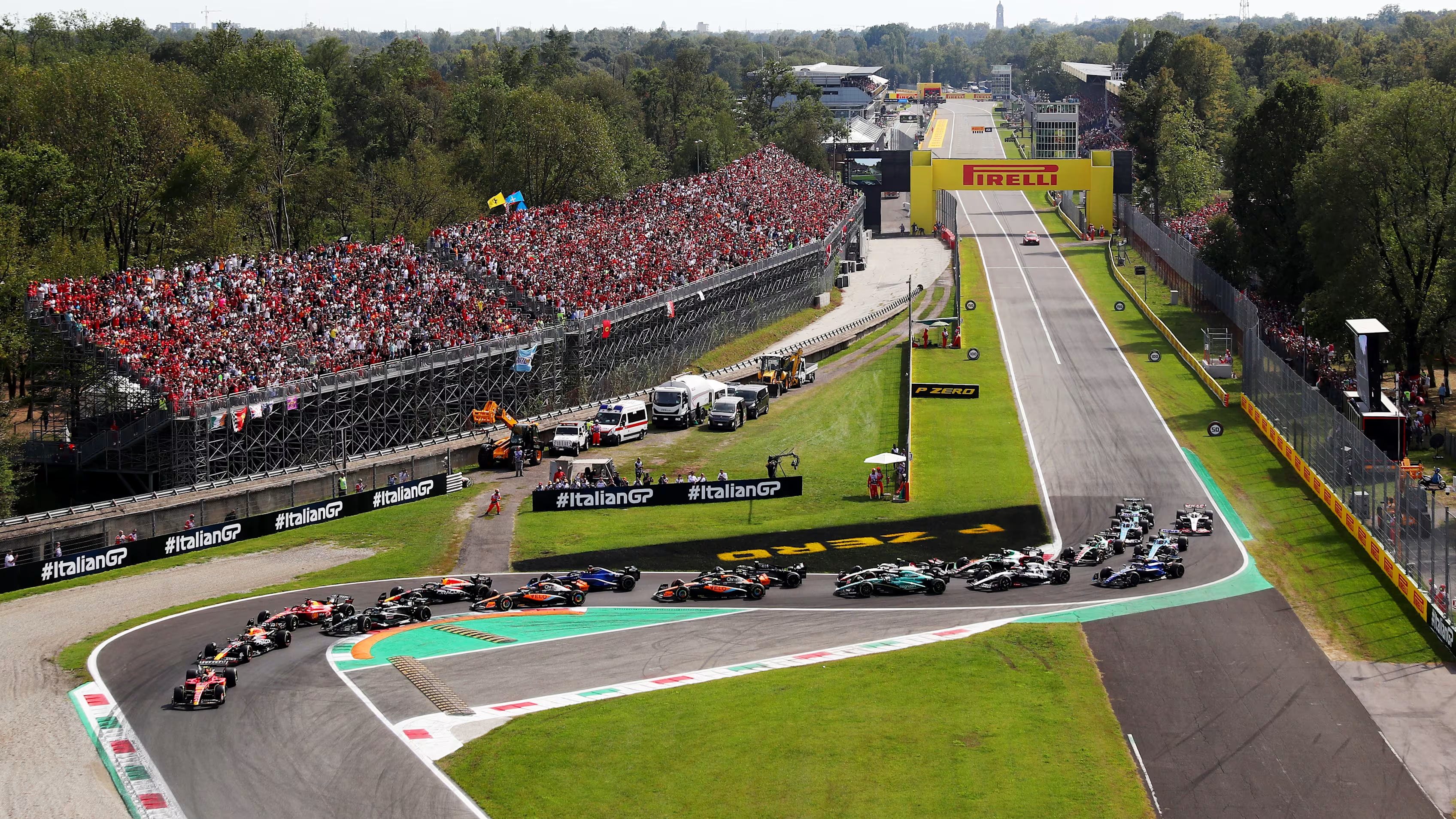
Official: FIA activates heat protocol for Monza as Formula 1 faces 35°C temperatures – Formula 1 will officially operate under its heat protocol at the Italian Grand Prix, with temperatures expected to climb above 30°C at Monza. The FIA has confirmed that special regulations will apply to help protect drivers from the extreme conditions, including the option of using cooling vests and a five-kilogram increase to the minimum car weight.
The Italian Grand Prix is set to become the second Formula 1 event of the 2026 season to be officially classified under the sport’s heat protocol.
With temperatures forecast to reach around 34°C on Friday and potentially 35°C on Saturday, similarly hot conditions are expected to continue into race day at Monza. The FIA has therefore activated the measures introduced to reduce the physical strain placed on drivers in extreme heat.
The decision means the weekend will operate under a different set of technical and sporting considerations, with teams having to account for the additional weight and drivers facing a choice over whether to use the cooling equipment.
FIA activates special heat rules at Monza
The heat protocol is triggered when forecast temperatures exceed the threshold established in Formula 1’s regulations.
It was introduced to address growing concerns about the physical demands placed on drivers when racing in exceptionally hot conditions. According to the FIA, Monza will be only the fourth occasion on which the protocol has been activated since its introduction.
The system was already used at the Austrian Grand Prix in Spielberg earlier this season during a major European heatwave. It was also activated at the United States and Singapore Grands Prix in 2025.
Monza will therefore provide another important test of the measures designed to make racing in extreme heat more manageable.
Drivers can use cooling vests during the race
One of the most significant changes concerns the introduction of a dedicated cooling system for drivers.
Under the regulations adopted in early 2025, drivers are permitted to wear a special cooling vest when the relevant heat threshold is exceeded. The system is designed to help regulate body temperature during a race in conditions where cockpit temperatures can become considerably higher than the ambient temperature.
However, using the vest remains optional.
That is significant because some drivers have questioned how effective the system is over an entire Grand Prix. While the cooling equipment can provide a noticeable benefit at the beginning of a session, its effectiveness can diminish as the race progresses.
For drivers who do not believe the cooling system provides sufficient benefit, carrying the additional equipment can instead feel like unnecessary ballast.
Five kilograms added to the minimum car weight
The FIA’s heat protocol also has a direct impact on the cars.
Drivers who elect to use the cooling vest are permitted to benefit from a five-kilogram increase to the minimum permitted weight of the car. This is intended to prevent drivers who choose the cooling system from being disadvantaged by having to carry additional equipment.
The exception applies specifically when the heat protocol is active and is designed to account for the weight of the cooling system and associated equipment.
Teams will consequently have another variable to consider when preparing their cars for the Monza weekend.
Monza heat could become another test for F1
The extreme temperatures could make the Italian Grand Prix particularly demanding for the drivers.
Monza’s high-speed layout already places significant demands on the cars, while the heat can increase the physical strain inside the cockpit and make tyre and power-unit management more challenging.
The FIA’s decision to activate the protocol demonstrates how seriously Formula 1 is now treating extreme heat as a safety issue.
With temperatures potentially reaching 35°C during the weekend, the effectiveness of the cooling measures will come under another close examination. For the drivers, meanwhile, the decision over whether to accept the additional equipment could become an important consideration before Sunday’s race.
Would you like to see more TJ13 Formula 1 coverage? Add us to your favourites list on Google to receive trusted F1 news.

The Judge, a nom de plume of an experienced F1 journalist and site founder with long-standing sources across the paddock. With over 30 years of experience in Formula 1 as an insider journalist, I have built trusted connections across the paddock, from race engineers and mechanics to senior team figures. At The Judge 13, I and a handful of trusted colleagues share exclusive Formula 1 news, expert analysis and behind-the-scenes stories you will not find in mainstream motorsport media.
